
Last Updated: November 22, 2026
Quick Summary
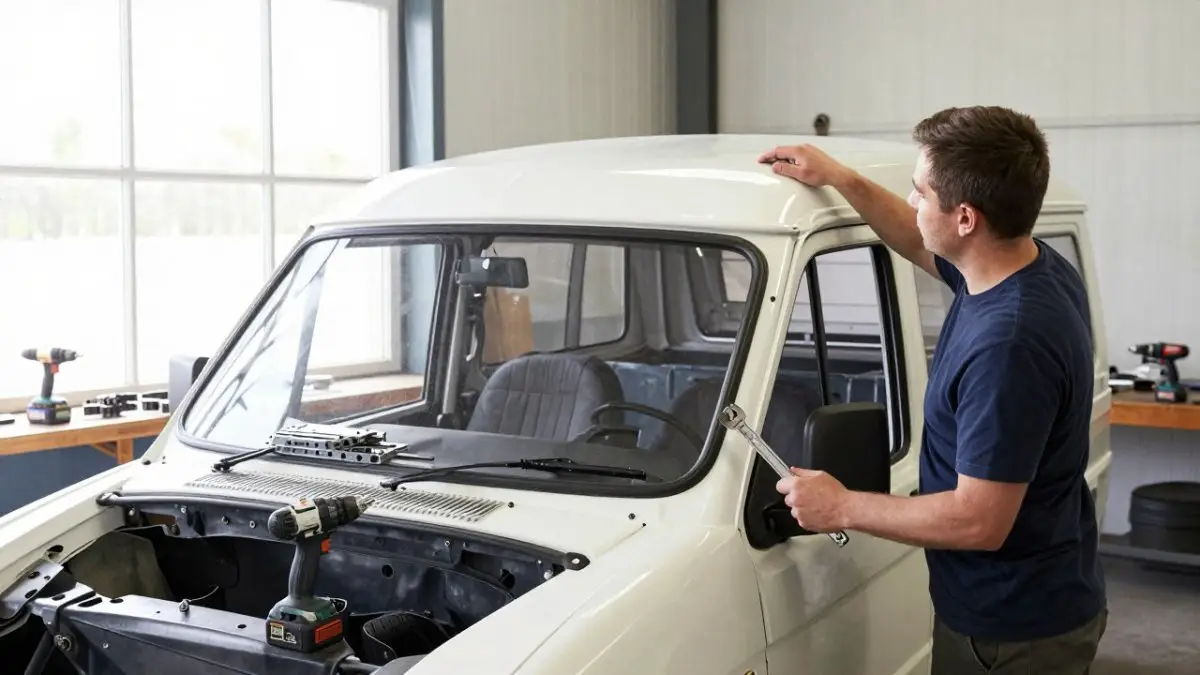
Yes, a pop top roof can usually be fitted to an older Transit, but only if the roof is structurally sound and the kit matches your exact model, wheelbase and roof height. Check for rust in the seams and gutters before cutting, and confirm the cut line against the van itself.
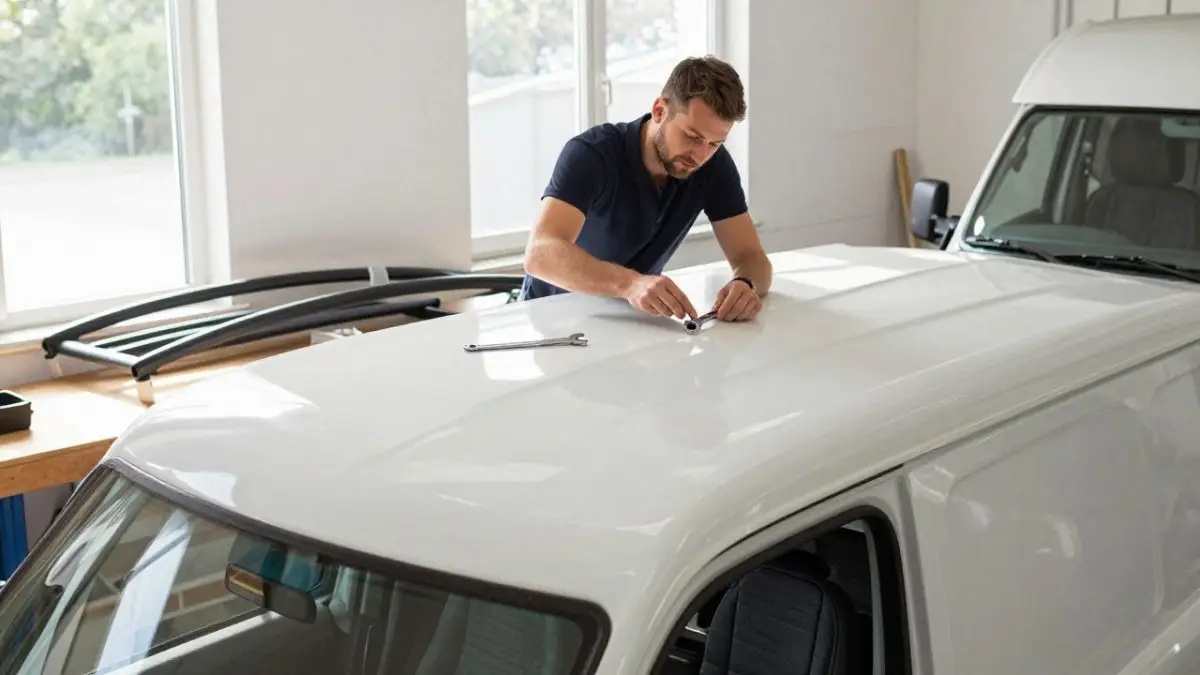
Fitting a pop-top roof to an older Transit is possible, but it is not a job to rush. Whether it suits your van depends on the model, the roof height and the condition of the metal you are about to cut. This guide walks through the checks to make before anyone picks up a saw.
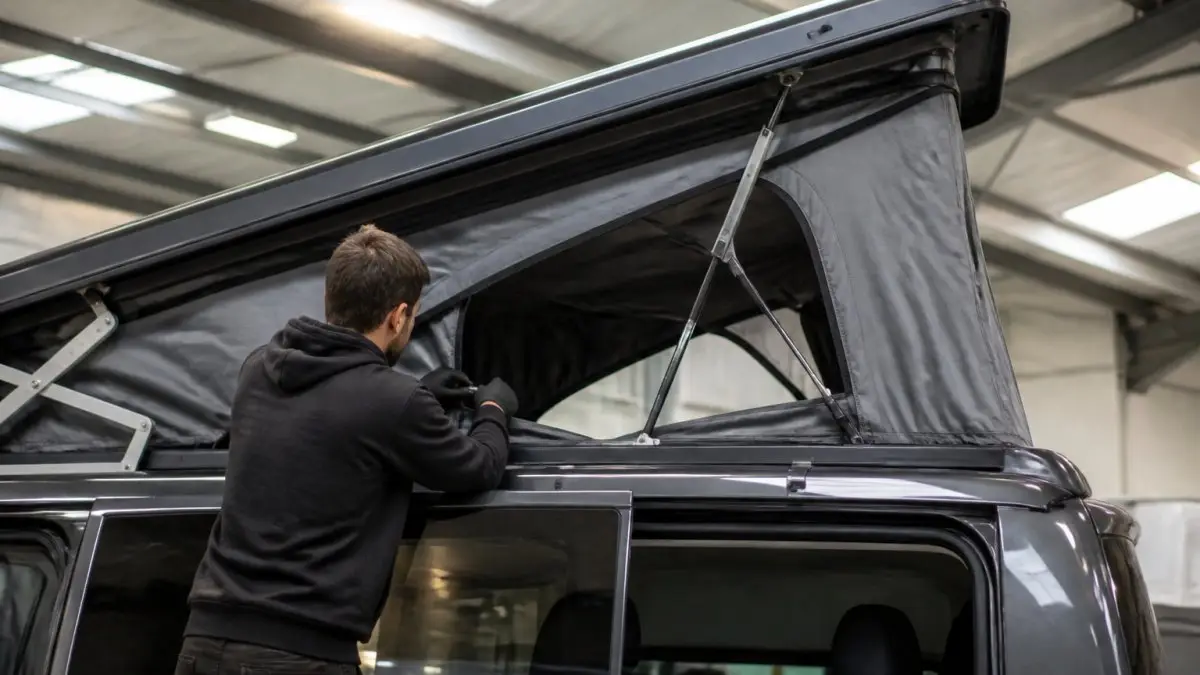
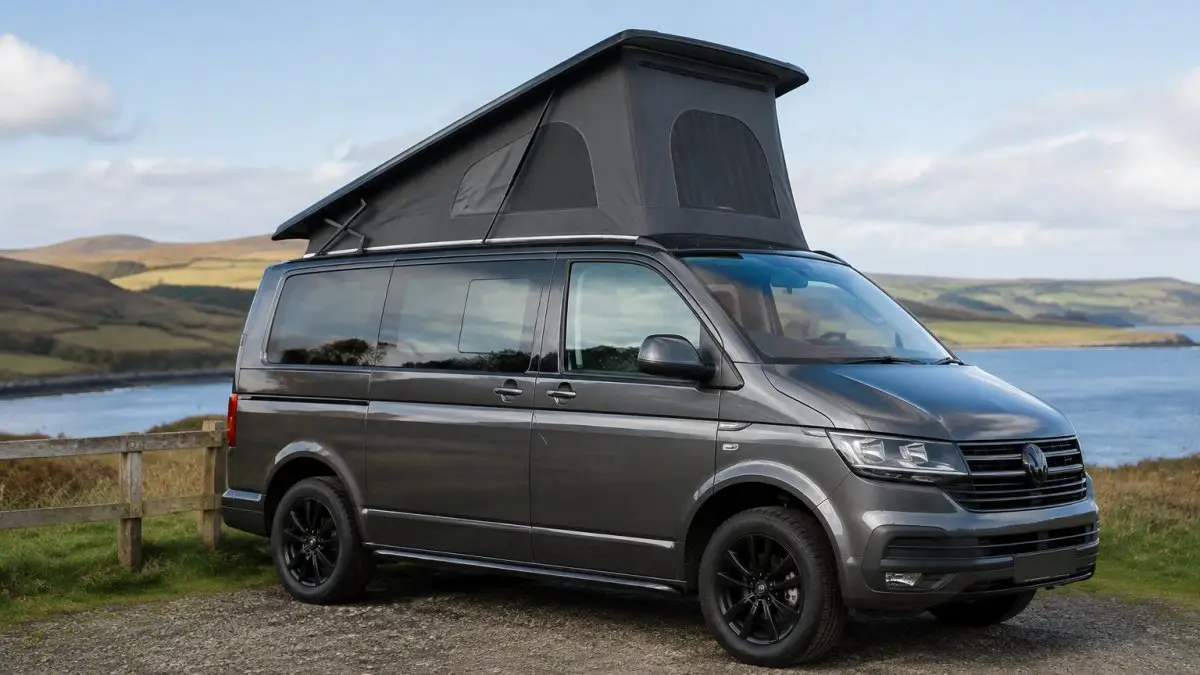
A pop-top is a raised roof section that folds up to give standing room and a sleeping area. You can compare the matching Ford Custom SWB pop-top roof against your own installation. Fitting one means cutting into the roof structure, so the van needs to be sound before you start. Driver and Vehicle Standards Agency guidance on vehicle modifications
Wheelbase and roof height change everything. A short-wheelbase van is shorter and easier to manage, but the roof panel you need will differ from the one for a long-wheelbase model. High-roof vans already offer more headroom, so the reason for a pop-top is usually bed space rather than standing height.
Check these points first:
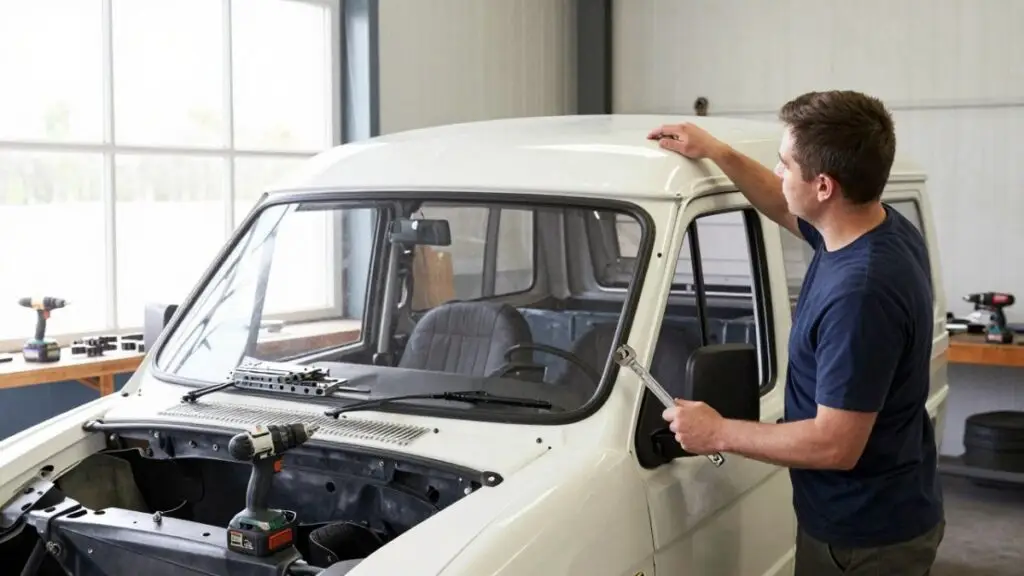
Older Transits can hide rust in the roof seams, gutters and around the rear doors. Cutting into a weak roof can leave you with a structure that flexes, leaks or fails under load. A Transit that has been fitted with a previous roof rack or solar panel may also have holes that have been sealed poorly.
Before cutting, look for:
If you find rust that goes through the metal, stop and have it repaired first. Cutting into a weak roof can be costly.
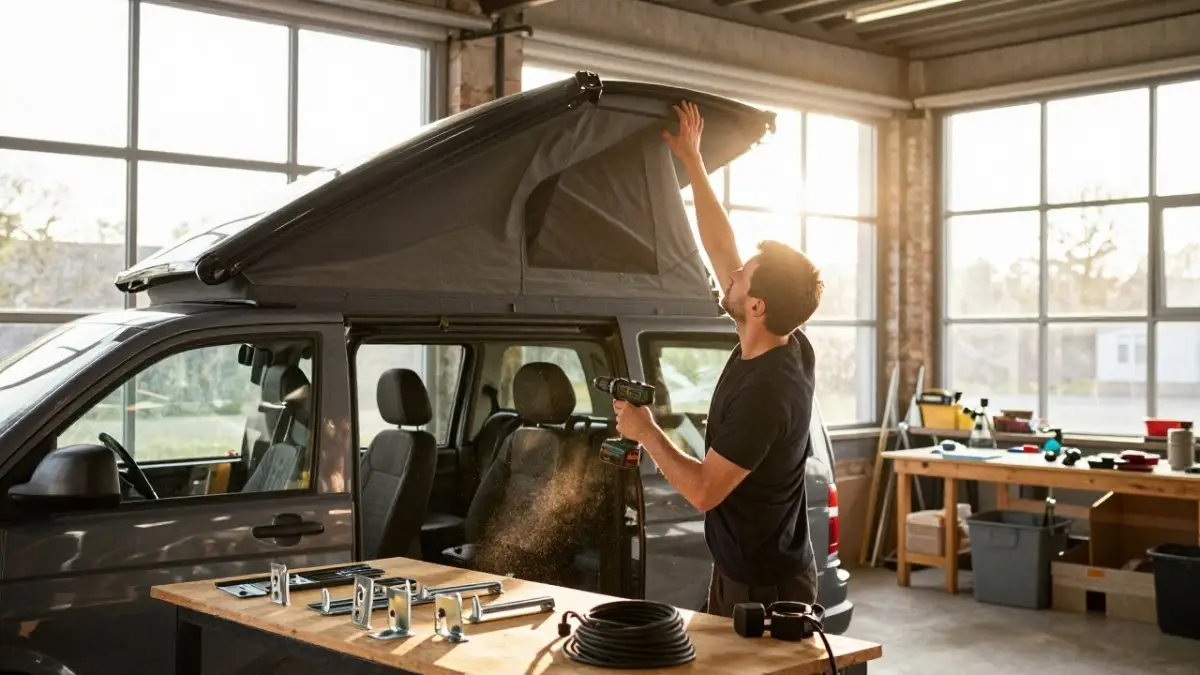
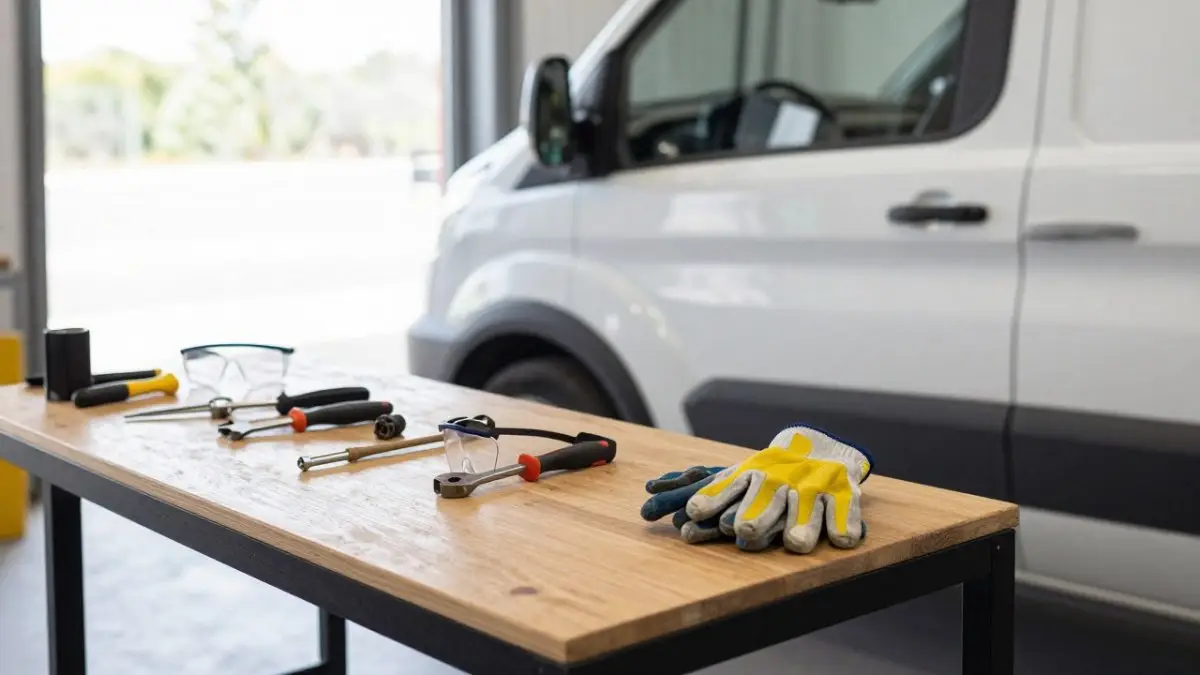
Good preparation saves time and protects you. Lay everything out before you begin, so you are not hunting for a tool halfway through a cut.
Tools you will usually need:
Materials to check:
Safety points to watch:
This is a general outline for a high-roof Transit. Always follow the instructions supplied with your specific kit, because cut-line dimensions, reinforcing frame design and fixing torques vary by model and generation.
Step 2: Drill pilot holes at each corner. Use a small metal bit and drill at the inside edge of the line so the jigsaw has a clean start.
Step 3: Cut the opening slowly. Use a jigsaw with a fine-tooth metal blade and let the blade do the work.
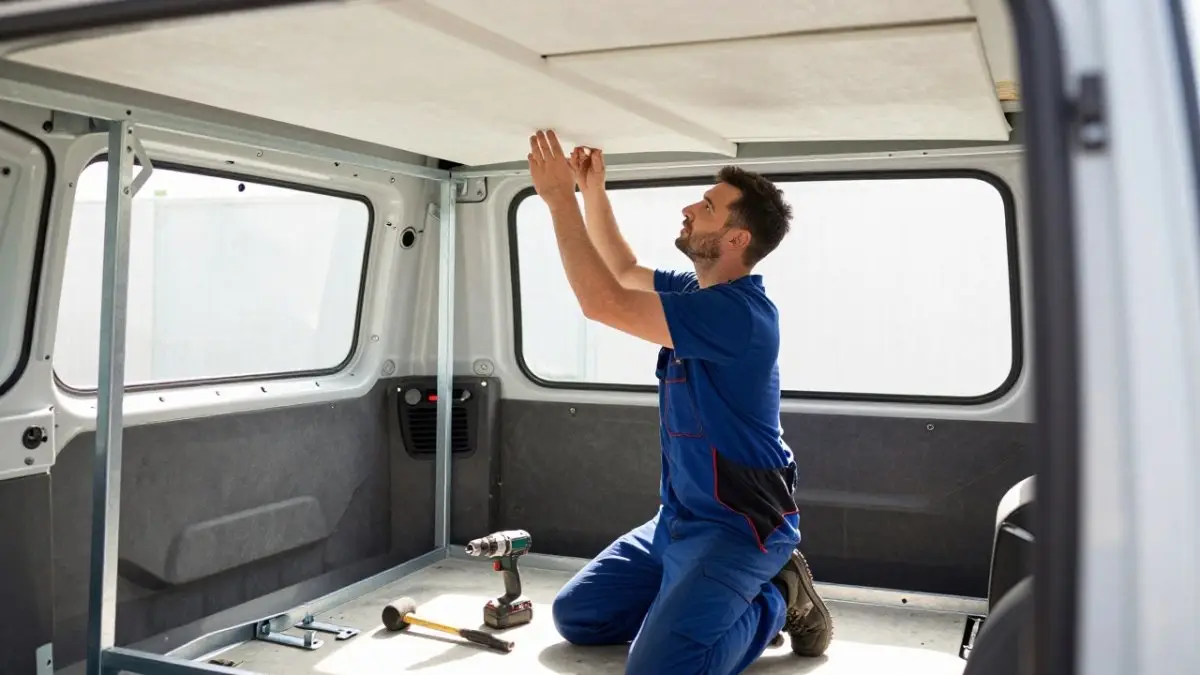
Step 4: Treat and reinforce the opening. This is the step that keeps the roof rigid once the opening is in place.
Step 5: Fit the pop-top panel. Lift the panel into position with a helper.
Step 6: Seal every edge in sequence. Apply sealant along all joins and fixings, working from the lowest point upward so water cannot track behind a bead.
Step 7: Test before you finish. Raise and lower the roof several times. Check for smooth movement, gaps and any flexing.
Watch out: Sealing is the step people rush, and a bead applied over an unprepared or damp edge will fail within a season.
The main stages of the fitting process, with the checks that prevent common failures, are summarised below.
| Step | What to do | Key check |
|---|---|---|
| Confirm cut line | Lay template on roof and mark line | Diagonals must match |
| Drill pilot holes | Drill small holes at each corner | Support panel from below |
| Cut opening | Jigsaw with fine-tooth metal blade | Let blade cool |
| Treat and reinforce | File edges, prime, fit frame | Follow specified fixings |
| Fit pop-top panel | Lift with helper and secure | Tighten evenly in cross pattern |
| Seal every edge | Work from lowest point upward | Full cure before water test |
| Test before finishing | Raise and lower several times | Check for light at seal line |
Pop-top roofs come in two main types. Canvas roofs are lighter and cost less, but they are less insulated. You can see the High Top generic pop-top roof as a concrete option with its price basis. Insulated roofs keep heat in better, which suits colder trips, though they are heavier and usually cost more.
Canvas roof
Insulated roof
A fitted pop-top is rarely a single line item. The total usually combines the roof kit or panel, the fitting labour, the bed platform or sleeping board, interior finishing around the opening, and any repair or reinforcement needed on an older van. On an older Transit, the last item is the one that moves the budget most, because corrosion around the roof seams and gutters often needs treating before the opening is cut.
As a budgeting frame rather than a quote, most owners should plan for the following components in GBP:
Because these vary so much by van and specification, we do not quote a fixed figure here. Contact T29 Customs for a current quote broken down by component, so you can see what the roof, fitting and finishing each contribute. Every pop-top carries a 5-year warranty. Check exactly what is covered on our warranty page before committing.
Watch out: A quote that covers only the kit and fitting can leave you paying separately for bed, trim and any rust repair. Ask for the breakdown before you commit, and confirm whether the price includes removal and refitting of any existing roof rack, solar panel or aerial.
Fitting a pop-top to an older Transit is a worthwhile project when the van is sound and the job is planned carefully. If you would rather have a professional handle the install, our team at T29 Customs designs and hand-fits UK-made pop-top roofs, and you can configure your build online for a transparent quote. VW Crafter SWB pop-top roof options are also available if you are weighing up a different van.
In most cases, yes, but suitability depends on the van’s condition, roof structure and model generation. Older Transits need a careful inspection for rust around the roof edges, corrosion in the roof frame and any previous modifications before any cutting begins. A workshop can check the structure and confirm whether reinforcement is needed. T29 Customs can advise on whether your older van is a good candidate for a pop-top, so it is worth getting that assessment before committing to a build.
A pop-top can be fitted to a high-roof Transit, though the fitment and the available sleeping and standing space differ from low-roof models. The high-roof body changes the dimensions the kit must match, so the roof must be specified for the exact van. Confirm the wheelbase and roof height before ordering, and check with the builder that the chosen design suits your model. A direct enquiry to T29 Customs can help you check fitment for your specific van.
Pricing depends on the roof specification, the options you choose, the condition of your van and the workshop time required. Extras such as solar panels and roof bars add to the total. Because costs vary with these factors, T29 Customs does not publish a single typical figure here. For current prices and a quote tailored to your van, use the online configurator on the T29 Customs website, which provides instant, transparent quotes.
A canvas roof is lighter and generally simpler to fit, but it offers less insulation and weather resistance than an insulated roof. An insulated roof helps keep the interior warmer in cold conditions and reduces condensation when you use the van as a living space. Choose based on how you plan to use the van, the climate you expect to camp in and how often you will sleep in it. T29 Customs can talk you through both options.